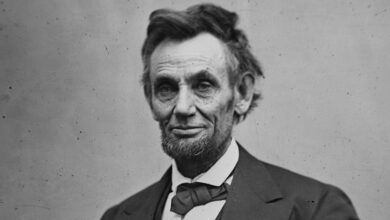
Sitting Bull
Sitting Bull remains one of the most respected and influential figures in the history of the Indigenous peoples of North America. A leader, a holy man, and a defender of his people’s sovereignty, he lived during a period of enormous upheaval, as the traditional ways of life on the Great Plains came under relentless pressure. His courage, vision, and endurance ensured that the Lakota Sioux voice would not be silenced, even in the face of overwhelming force.
The World of the Great Plains
Sitting Bull was born around 1831 near the Grand River in what is now South Dakota. He belonged to the Hunkpapa Lakota, one of the seven council fires of the Sioux Nation. In his childhood, the Great Plains were still vast, open lands where buffalo herds thundered across the grasslands and the Lakota followed migrations with rhythm and purpose.
His birth name was Tatanka Iyotake, meaning “Buffalo Who Sits”. The buffalo was a symbol not only of sustenance but of strength and spiritual power, and the name suited a child who would grow into a person of unusual calm and resolve.
Sitting Bull grew up in a world defined by kinship, ceremony, and a profound connection to nature. From a young age, he trained as a hunter and warrior, learning to ride bareback and draw a bow from a moving horse with precision. The Lakota believed that courage and humility must walk hand in hand, and Sitting Bull exemplified both qualities.
Becoming a Warrior
At around fourteen years old, Sitting Bull participated in his first war party against the Crow, long-standing rivals of the Lakota. During this raid, he demonstrated remarkable bravery and composure, earning his place among the fighters.
As he matured, Sitting Bull proved himself not only in combat but also in leadership. The Lakota valued wisdom and generosity as highly as skill in battle, and he quickly became respected for his fairness and insight. He understood that true leadership required more than daring actions. It also demanded a steady mind capable of guiding others through moments of danger and doubt.
During the 1850s and 1860s, tensions on the Plains increased dramatically. As white settlers pushed westward, competition for resources grew fierce. The arrival of the United States Army, railway interests, and encroaching settlements signalled changes that threatened the entire Lakota way of life.

Sitting Bull watched these developments with growing concern. He recognised that negotiation with the United States government often resulted in broken promises and shrinking lands. To him, resistance was not a choice but an obligation to honour ancestors and protect children yet to come.
Leader and Visionary
By the early 1860s, Sitting Bull had become a shirt-wearer, a respected role given to warriors who demonstrated not only strength but sound judgement. His influence continued to expand as he led his people in defence of their homeland.
He participated in several battles against the United States Army, including engagements connected to the Red Cloud War of the late 1860s. His strategic sense and unshakeable composure under pressure made him a natural leader during these conflicts.
Yet Sitting Bull was more than a military planner. He was a spiritual leader whose visions guided his decisions. The Lakota believed that dreams carried messages from the spirit world. Sitting Bull’s gift for interpreting these visions deepened his authority.
His most famous vision would come later, on the eve of one of the most significant battles in North American history.
The Black Hills Crisis
The Black Hills, known to the Lakota as Paha Sapa, were sacred lands, central to their identity and spirituality. The Fort Laramie Treaty of 1868 had guaranteed that the Black Hills would remain theirs forever.
Forever lasted less than a decade.
When gold was discovered there in the 1870s, thousands of miners flooded the region. The United States government attempted to purchase the land. The Lakota refused. Soon, conflict erupted again.
Sitting Bull emerged at the heart of Lakota resistance, not out of ambition but duty. He believed that surrendering sacred ground would mean surrendering the very spirit of the people.
The Sun Dance Vision
In the summer of 1876, Sitting Bull led a Sun Dance ceremony, a sacred ritual that involves endurance, sacrifice, and prayer. During the ceremony, he experienced a powerful vision: soldiers falling into the Lakota camp like grasshoppers from the sky. The message seemed clear. Victory was coming.
Inspired by the vision, warriors from multiple tribes gathered, including Lakota, Cheyenne, and Arapaho. They camped near the Little Bighorn River in present-day Montana. The village was immense, filled with thousands of people who wished to live freely.
The Battle of the Little Bighorn
On 25 June 1876, Lieutenant Colonel George Armstrong Custer led elements of the United States Seventh Cavalry in an attack on the encampment. The soldiers badly underestimated the number of warriors present.
Although Sitting Bull did not fight directly that day, his earlier vision and leadership had united the tribes in a common cause. Under war leaders such as Crazy Horse and Gall, the Native forces overwhelmed Custer’s command. Custer and more than two hundred soldiers were killed.
The victory was stunning but short-lived in its consequences. It intensified the United States’ efforts to crush Native resistance once and for all.
Surrender and Exile
Following the Battle of the Little Bighorn, the Lakota faced relentless military pressure. Food supplies dwindled, and buffalo herds were disappearing rapidly due to commercial hunting. Sitting Bull chose survival for his people rather than annihilation.
In 1877, he led a group of followers north into Canada. There, they sought refuge under the protection of the Canadian government. For several years, they endured harsh winters and declining resources. Though Sitting Bull remained steadfast, many of his people struggled with hunger and illness.
By 1881, facing overwhelming hardship, Sitting Bull returned to the United States and surrendered. He was imprisoned briefly but later allowed to live on the Standing Rock Reservation in present-day North Dakota and South Dakota.
His return did not mean resignation. He continued to defend Lakota cultural and political rights with the same resolve he had shown throughout his life.
A Reluctant Celebrity
In the mid-1880s, Sitting Bull agreed to join Buffalo Bill’s Wild West Show. The arrangement provided his family with income and food, as well as opportunities to advocate for his people. Crowds were eager to see the famous Lakota leader who had once defied the United States Army.
Yet Sitting Bull remained deeply uncomfortable with the role. To him, the performances reduced his culture to entertainment. He used his presence in the show to raise money for education among Native children and to speak for Indigenous rights.
His time in the show lasted only a few months before he returned home, where uncertainty and tension were growing once again.
The Ghost Dance Movement
By the late 1880s, reservation life was marked by hunger, strict control, and eroded traditions. During this hopeless period, a new spiritual movement spread among Native nations: the Ghost Dance. Followers believed that through prayer and ritual, their ancestors would return, the buffalo would reappear, and their lands would be restored.
The United States government saw the movement as a threat, fearing it might spark rebellion. Sitting Bull did not join the Ghost Dance, but he allowed others to practice it, recognising the despair and longing that drove the movement.
This tolerance made authorities suspicious.
Tragic End
Before dawn on 15 December 1890, Indian Police arrived at Sitting Bull’s cabin to arrest him. A confrontation erupted between his supporters and the police. Amid the chaos, Sitting Bull was shot and killed. He was around 59 years old and still fighting for the dignity and future of his people.
His death preceded the massacre at Wounded Knee by just two weeks, marking one of the darkest chapters in the history of Native America.
Legacy of a Nation’s Leader
Sitting Bull’s legacy endures as a symbol of resistance, identity, and moral strength. To the Lakota and many others, he remains a guardian of culture and sovereignty. He did not seek personal glory. He stood firm for a way of life rooted in respect for the land and in community ties stronger than any government decree.
He once said, “If we must die, we die defending our rights.”
His story continues to inspire leaders and activists who challenge injustice and fight for cultural survival. Statues, schools, books, and university programmes carry his name, but his most profound legacy lives within the heart of the Lakota Nation and the broader struggle for Indigenous self-determination.
Final Word
Sitting Bull’s life unfolded during one of the most turbulent transitions in world history. He witnessed the end of the free Plains and the beginning of enforced confinement. He defended his people not simply with force but with vision, faith, and an unshakeable belief that their identity must endure.
Although his world changed forever, Sitting Bull’s spirit never broke. Today, his voice continues to echo across the Plains, reminding us that the fight for freedom and dignity does not end with one generation. It continues wherever people stand together to honour their heritage and protect their future. He remains not a figure of the past, but a guide for those who still resist the fading of their world.
Sitting Bull FAQ
Sitting Bull was a Lakota Sioux leader and spiritual figure who resisted United States attempts to control Native lands and dismantle Lakota culture.
He defended his people’s sovereignty and helped unite tribes that won a major victory at the Battle of Little Bighorn.
His spiritual leadership and earlier vision helped unify Indigenous warriors who defeated Lieutenant Colonel Custer’s forces.
While he did not practise the Ghost Dance himself, he respected those who did and defended their right to believe in cultural renewal.
He was killed in 1890 during an attempted arrest by Indian Police, amid growing government fear of Native resistance.