The Mystery of the Aokigahara Forest
Aokigahara Forest, located at the northwestern base of Mount Fuji in Japan, is a place steeped in legend, mystery, and an unsettling reputation. Known as the “Sea of Trees,” it is a dense, lush expanse of woodland covering approximately 35 square kilometres. Despite its natural beauty, Aokigahara has become infamous worldwide due to the tragic phenomenon of suicides that have occurred within its depths, as well as the eerie folklore that surrounds it. The mystery of Aokigahara continues to captivate researchers, paranormal enthusiasts, and travellers drawn to its haunting aura.
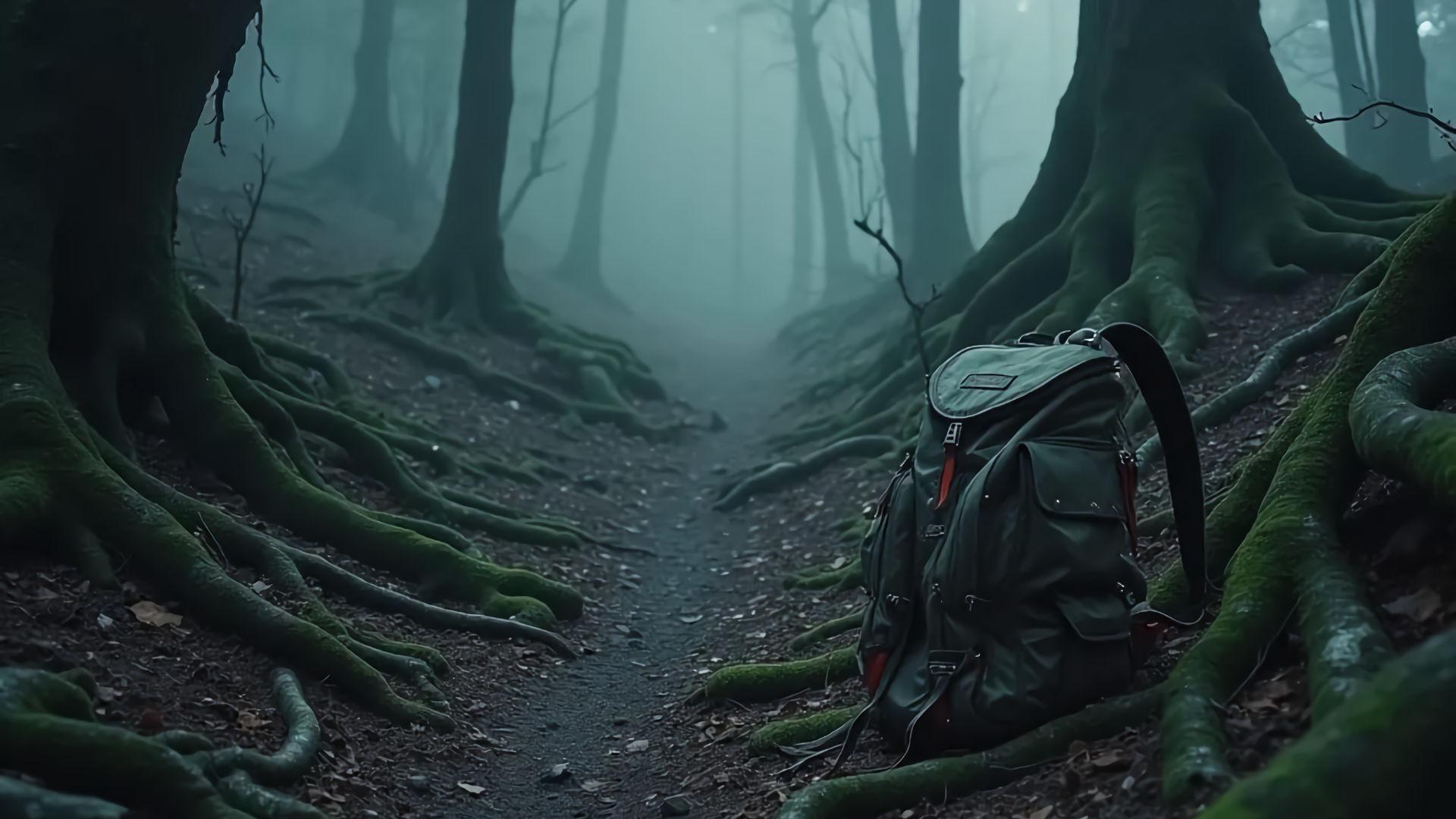
One of the most unsettling aspects of Aokigahara is its silence. Due to the density of the trees and the absorbent nature of the volcanic soil, the forest muffles sound, creating an almost otherworldly atmosphere. This natural silence, combined with the lack of wildlife, contributes to the eerie and unsettling experience for those who venture inside. The thick canopy of leaves allows little sunlight to penetrate, casting perpetual dimness over the forest floor and adding to its sense of isolation.
Aokigahara has long been linked to death and spirits in Japanese folklore. Stories of yūrei, restless spirits of those who died in anguish, are commonly associated with the forest. In traditional belief, yūrei remain tethered to the location of their death, haunting those who wander too close. Legends suggest that in centuries past, families struggling with famine would abandon elderly or infirm relatives in the forest, leaving them to die in a practice known as ubasute. The souls of these forsaken individuals were said to linger, their sorrow and resentment imbuing the forest with a spectral presence.
Modern-day Aokigahara is most infamously associated with suicides. Since the 1950s, a growing number of individuals have travelled to the forest to end their lives, leading to its grim reputation. The exact number of deaths is unknown, as authorities have stopped publicly reporting statistics to discourage further incidents. However, annual searches by local police and volunteers frequently uncover bodies, personal belongings, and abandoned tents deep within the forest. The presence of warning signs throughout Aokigahara, urging visitors to reconsider their actions and seek help, serves as a testament to the tragic legacy of the site.
The phenomenon of suicides in Aokigahara has been linked to multiple cultural and psychological factors. In Japanese society, suicide has historically been viewed differently than in many Western cultures. The legacy of honourable death, such as the samurai practice of seppuku, has shaped a complex attitude towards taking one’s own life. In contemporary Japan, societal pressures, economic struggles, and isolation have contributed to high suicide rates, with Aokigahara becoming a symbolic place for those seeking solitude in their final moments.
The popularity of the forest as a destination for suicides was further intensified by literature and media. In 1960, the novel “Nami no Tō” (Tower of Waves) by Seichō Matsumoto depicted a character choosing to die in Aokigahara, bringing the location to public attention. Additionally, the book “The Complete Suicide Manual” by Wataru Tsurumi described the forest as an ideal place to die, reportedly influencing many individuals. These references have cemented Aokigahara’s reputation, drawing both those contemplating suicide and those morbidly curious about the forest.
Beyond its tragic associations, Aokigahara is also a site of unexplained occurrences. Visitors have reported disorienting sensations, as if an unseen force is guiding them deeper into the woods. Some claim to have heard whispers or seen shadowy figures moving between the trees. Compasses and GPS devices are said to malfunction, though scientific explanations suggest that the high iron content in the volcanic soil may interfere with navigation. Nonetheless, these experiences contribute to the forest’s reputation as a place of supernatural activity.

Despite the darkness surrounding its reputation, Aokigahara is also a place of natural wonder. The unique geological features, including lava caves and ice caverns, make it an intriguing destination for hikers and explorers. The Narusawa Ice Cave and Fugaku Wind Cave attract tourists with their stunning frozen formations and historical significance. The forest itself is a testament to resilience, having grown over lava from Mount Fuji’s eruption in the ninth century, creating an ecosystem unlike any other in Japan.
Efforts have been made to change the perception of Aokigahara, encouraging people to see it as a place of life rather than death. Mental health initiatives have sought to provide support to those in crisis, with volunteers patrolling the area and offering assistance to individuals in distress. Conservation efforts also aim to protect the forest’s biodiversity and educate visitors about its ecological importance. By shifting the narrative, there is hope that Aokigahara can be recognised for its beauty and significance rather than its macabre history. The mystery of Aokigahara persists, woven from its folklore, tragic legacy, and haunting atmosphere. Whether viewed as a place of sorrow, supernatural intrigue, or natural splendour, it continues to draw those fascinated by its enigma. For some, it remains a symbol of loss and despair; for others, it is a place to reflect on the resilience of nature and the importance of human connection. Regardless of perspective, Aokigahara stands as one of Japan’s most enigmatic and thought-provoking landscapes, forever shrouded in mystery.
The Aokigahara Forest FAQ
Aokigahara Forest, also known as the Sea of Trees, is a dense woodland located at the base of Mount Fuji in Japan, known for its eerie atmosphere and tragic associations.
The forest is known for its unusual silence due to dense trees and volcanic rock, and has gained a reputation for being associated with unexplained disappearances and folklore about spirits.
Sadly, Aokigahara is known as a place where people have taken their own lives, which has contributed to its dark reputation and cultural stigma.
Yes, Japanese folklore speaks of yūrei, or restless spirits, said to haunt the forest, adding to its reputation as a place of sorrow and mystery.
[this article originally appeared on 5MinuteMysteries.com on 19 June 2025]