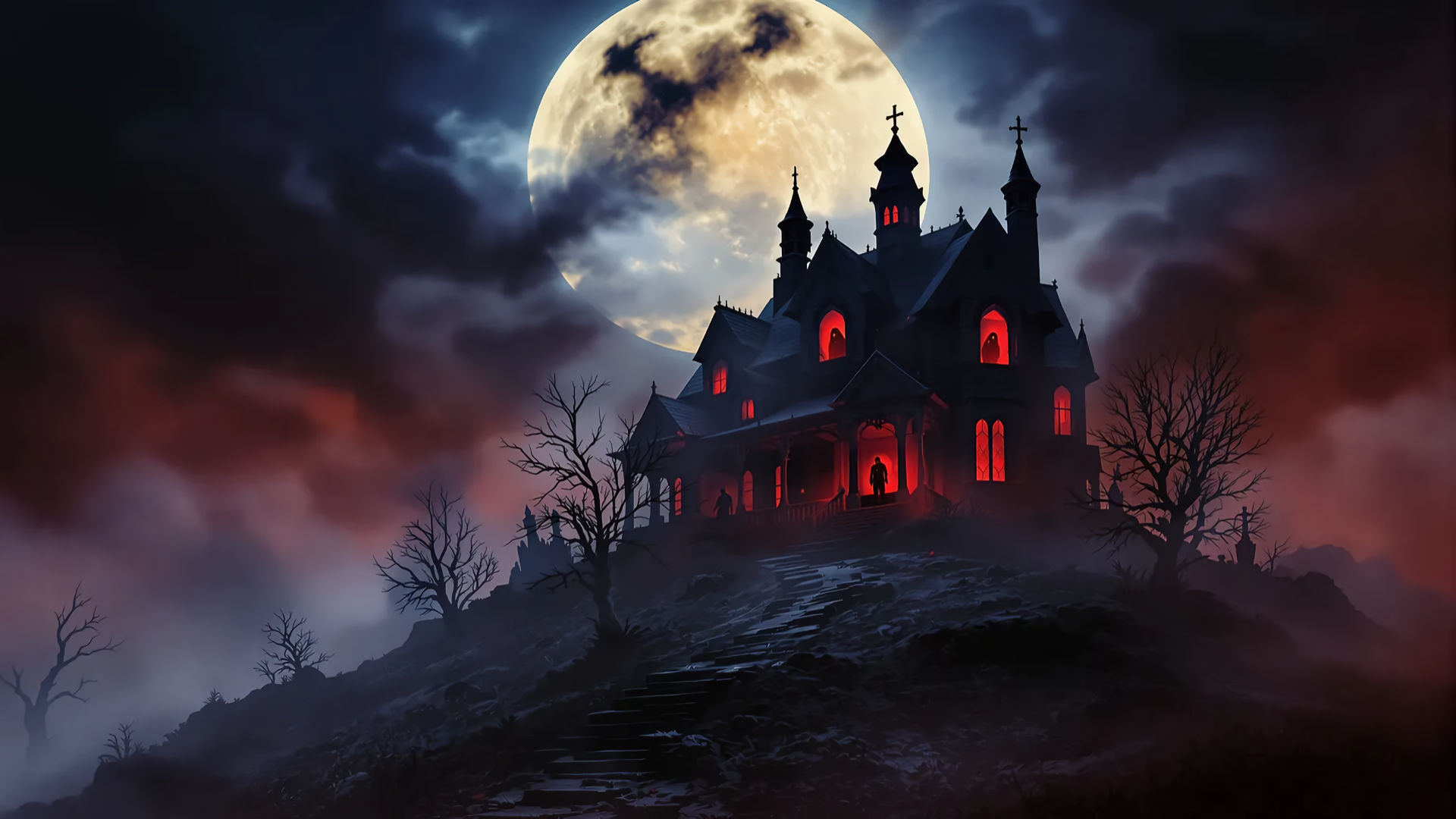
The History of Horror Movies
For more than a century, horror films have haunted our screens, tapping into our deepest fears and fascinations. From silent shadows creeping through foggy alleyways to modern monsters lurking in the shadows of suburbia, horror movies have evolved with technology, culture, and audience taste. The genre is not only a reflection of what frightens us, but also of the times we live in. This is the story of horror cinema: where it began, how it transformed, and why it endures.
Origins in Silent Cinema
Horror’s cinematic roots trace back to the late 19th and early 20th centuries, where early filmmakers began experimenting with macabre imagery and supernatural themes. Georges Méliès’ short film Le Manoir du Diable (1896) is widely considered the first horror film, featuring bats, skeletons, and the devil himself.
During the silent era, filmmakers relied on expressionistic visuals and eerie atmospheres to convey fear without dialogue. German Expressionism gave rise to influential works like The Cabinet of Dr Caligari (1920), directed by Robert Wiene, which used distorted sets and stylised acting to depict madness and manipulation. Nosferatu (1922), F. W. Murnau’s unauthorised adaptation of Dracula, introduced audiences to the vampire as a menacing, otherworldly creature. Max Schreck’s portrayal of Count Orlok remains iconic to this day.
American studios quickly took notice. Lon Chaney, known as “The Man of a Thousand Faces,” became a silent horror icon with films like The Hunchback of Notre Dame (1923) and The Phantom of the Opera (1925). These early successes established horror as a commercially viable and artistically rich genre.
The Universal Monsters Era
The 1930s ushered in a golden era of horror, particularly in Hollywood, led by Universal Pictures. With the advent of sound, horror films could now amplify tension with creaking doors, thunderclaps, and eerie music. This era introduced enduring screen legends.
Bela Lugosi’s Dracula (1931) and Boris Karloff’s Frankenstein (1931) became cultural phenomena. Karloff also starred in The Mummy (1932), while The Invisible Man (1933) and The Wolf Man (1941) rounded out Universal’s pantheon of monsters. These films blended gothic storytelling with tragic characters, making the monsters both terrifying and sympathetic.
This period also marked the beginning of horror as a form of escapism during hard times. With the world grappling with the Great Depression and later World War II, audiences sought relief in supernatural terror. Horror thrived on atmosphere, suspense, and morality tales, often set in distant lands or shadowy castles.
The Atomic Age and Science Fiction Horror
The post-war years saw horror intersect with science fiction, reflecting Cold War anxieties and fears of nuclear annihilation. The 1950s brought a wave of “creature features,” in which monsters represented societal fears.
Films like The Thing from Another World (1951), Them! (1954), and Invasion of the Body Snatchers (1956) introduced extraterrestrials, giant insects, and mind-controlling invaders. These stories tapped into paranoia about communism, scientific hubris, and the unknown dangers of radiation. Horror became less about ancient curses and more about the consequences of modernity.
This era also saw the rise of low-budget B-movies, often shown in drive-ins and double features. Directors like Roger Corman made a name for themselves by producing cheap but effective horror films that appealed to teen audiences. Despite their limitations, many of these movies pushed the boundaries of what was acceptable in mainstream cinema.
The Rise of Psychological Horror and Gothic Revival
In the 1960s, horror underwent a transformation. Alfred Hitchcock’s Psycho (1960) shocked audiences with its shower scene and twisted narrative, signalling a shift from external monsters to internal ones. Psychological horror, grounded in real-world fears, took centre stage.
This trend continued with Roman Polanski’s Rosemary’s Baby (1968), a disturbing tale of paranoia and satanic cults, and George A. Romero’s Night of the Living Dead (1968), which redefined the zombie genre while commenting on race and social unrest in America.
Meanwhile, in the UK, Hammer Films resurrected gothic horror with vivid colour, sensuality, and violence. Their adaptations of Dracula, Frankenstein, and other classics featured actors like Christopher Lee and Peter Cushing, bringing renewed interest to traditional monster tales with a provocative edge.
The Slasher Boom and American Nightmares
The 1970s and 1980s marked a golden age of slasher films and brutal realism. William Friedkin’s The Exorcist (1973) broke box office records, becoming the highest-grossing horror film of all time for many years, and pushed horror into the mainstream. The Texas Chain Saw Massacre (1974), Halloween (1978), and Friday the 13th (1980) introduced masked killers, final girls, and a formula that would dominate the genre for years.
These films often reflected deeper fears; of isolation, adolescence, and the breakdown of social norms. The horror became bloodier, more intense, and more controversial. Wes Craven’s A Nightmare on Elm Street (1984) blended slasher tropes with supernatural elements, creating one of the most memorable villains in Freddy Krueger.
This period also saw horror franchises explode in popularity. Halloween, Friday the 13th, Nightmare on Elm Street, and later Child’s Play and Hellraiser became recurring staples. Though often criticised for repetition, these series cemented horror’s box-office appeal and pop-culture presence.
Horror Evolves: Meta, Found Footage, and the New Millennium
By the 1990s, the genre began turning inward. Wes Craven’s Scream (1996) revitalised horror with its meta-commentary and self-awareness. Audiences were now in on the joke, and horror embraced its clichés while reinventing them.
Meanwhile, the found footage genre emerged with The Blair Witch Project (1999), a low-budget indie film that used handheld cameras and viral marketing to generate massive buzz. This approach exploded in the 2000s with films like Paranormal Activity and Cloverfield.
The early 2000s also brought extreme horror into the mainstream. Dubbed “torture porn” by critics, films like Saw (2004) and Hostel (2005) focused on graphic violence and elaborate death traps, pushing the genre’s limits. These movies split audiences; some saw them as innovative, while others saw them as gratuitous.
At the same time, international horror gained a foothold in Western markets. Japanese films like Ringu and Ju-On influenced a wave of remakes and sparked global interest in Asian horror. Filmmakers in Spain, South Korea, and elsewhere began gaining international recognition for stylish, character-driven horror stories.
Prestige Horror and the Genre’s Renaissance
The 2010s ushered in what many call a horror renaissance. Often labelled “prestige horror” or “elevated horror,” these films fused arthouse sensibilities with genre conventions. Directors like Jordan Peele (Get Out), Ari Aster (Hereditary), and Robert Eggers (The Witch) explored social issues, grief, trauma, and identity through the lens of horror.
These films were critically acclaimed and commercially successful, proving horror’s depth and versatility. Get Out won an Academy Award, The Babadook became a cultural touchstone, and Midsommar stunned audiences with its daylight horror and emotional complexity.
Streaming platforms like Netflix and Shudder have further democratised horror, giving indie creators a platform and audiences constant access to new content. Horror has become more inclusive, global, and experimental, blending with genres like sci-fi, drama, and thriller in bold new ways.
Why Horror Endures
So why does horror persist while other genres fade? Perhaps because fear is universal. Horror allows us to explore the darkest corners of the human psyche, confront our anxieties in a safe environment, and experience catharsis. It reflects the times, our politics, our progress, our paranoia.
Whether through monsters, madness, or metaphor, horror holds a mirror to society. It evolves, adapts, and survives, just like its most resilient characters. From shadowy castles to suburban nightmares, the story of horror movies is a testament to cinema’s ability to shock, disturb, and reveal what truly haunts us. And the story isn’t over. As technology advances and audiences change, so too will the nightmares on screen. One thing’s for sure: horror will never die.
The History of Horror Movies FAQ
The first recognised horror film is Le Manoir du Diable (The Haunted Castle), a short film made in 1896 by Georges Méliès. It featured bats, ghosts, and the devil — setting the stage for the genre.
Post-war horror shifted towards science fiction and psychological themes, reflecting anxieties about nuclear power, alien invasion, and internal human struggles, rather than supernatural folklore.
Slasher films gained popularity due to their formulaic suspense, low production costs, and ability to tap into teen culture and fears. Movies like Halloween and Friday the 13th became cult classics.
Yes, horror cinema is often part of media studies and film studies curricula at KS3, GCSE, and A-Level in the UK and similar levels internationally, especially when exploring genre, narrative, and audience theory.